De Kleren van de keizer

During this module, we designed a speculative concept about developments within the biomedical context. The goal is not to solve a problem, but to create friction.
The intention is to encourage the audience to reflect on and debate the intended and unintended consequences of this speculative technology, as well as its societal impact on humans.
Context
In the first week, we were tasked with conceiving 100 “what-if” statements and selecting two to develop into quick prototypes.
The scenarios we chose were:
“What if we could perform photosynthesis ourselves?”
“What if your debit card could refuse a payment based on your health?”
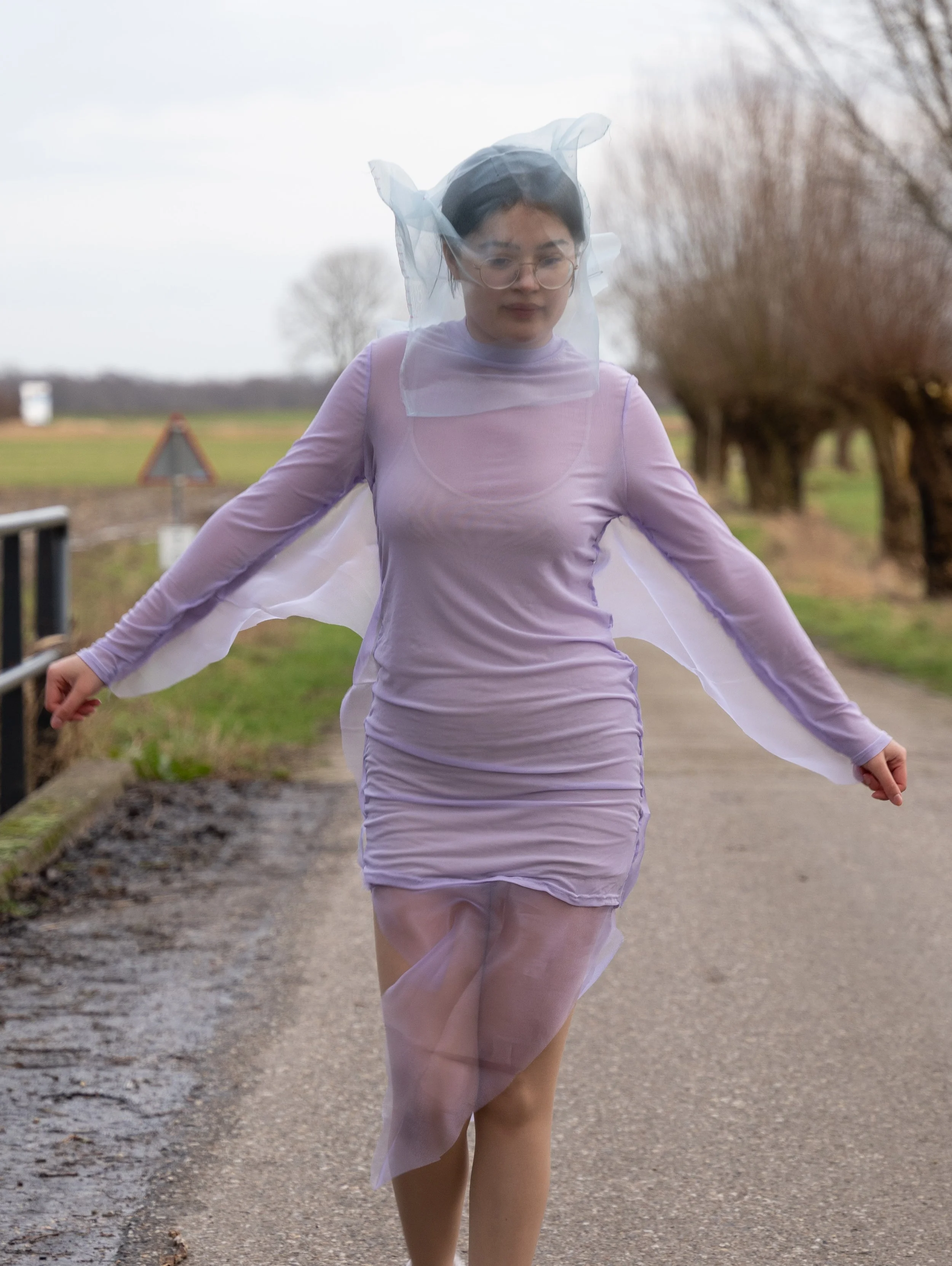
The aim was to make the prototypes as shocking as possible; therefore, we created a transparent pair of underwear and a debit card connected directly to your veins.
The First Weeks
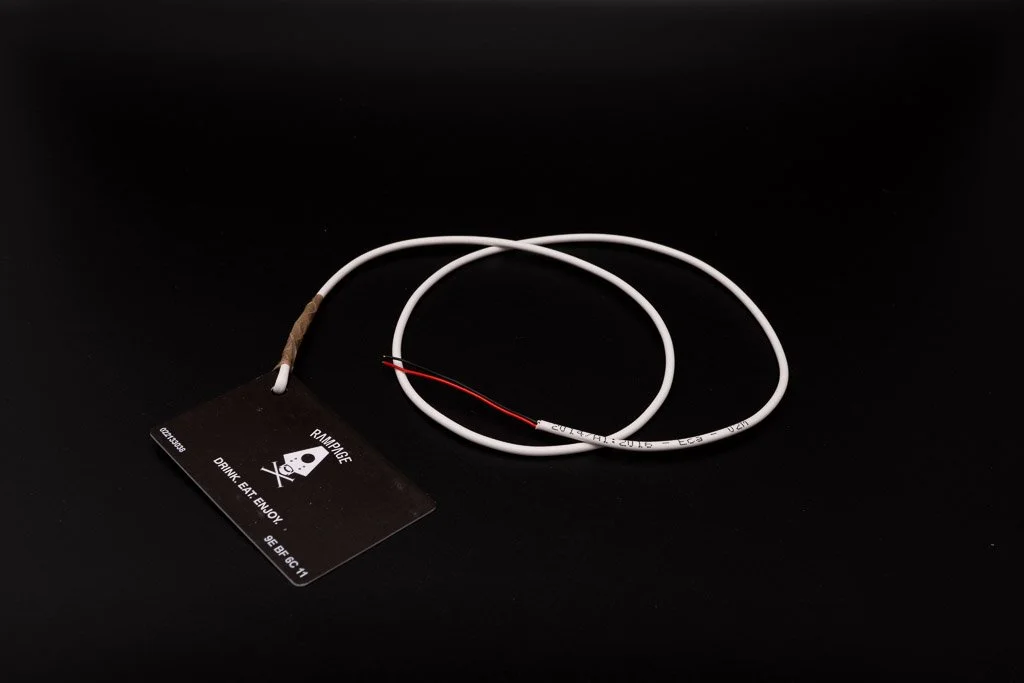
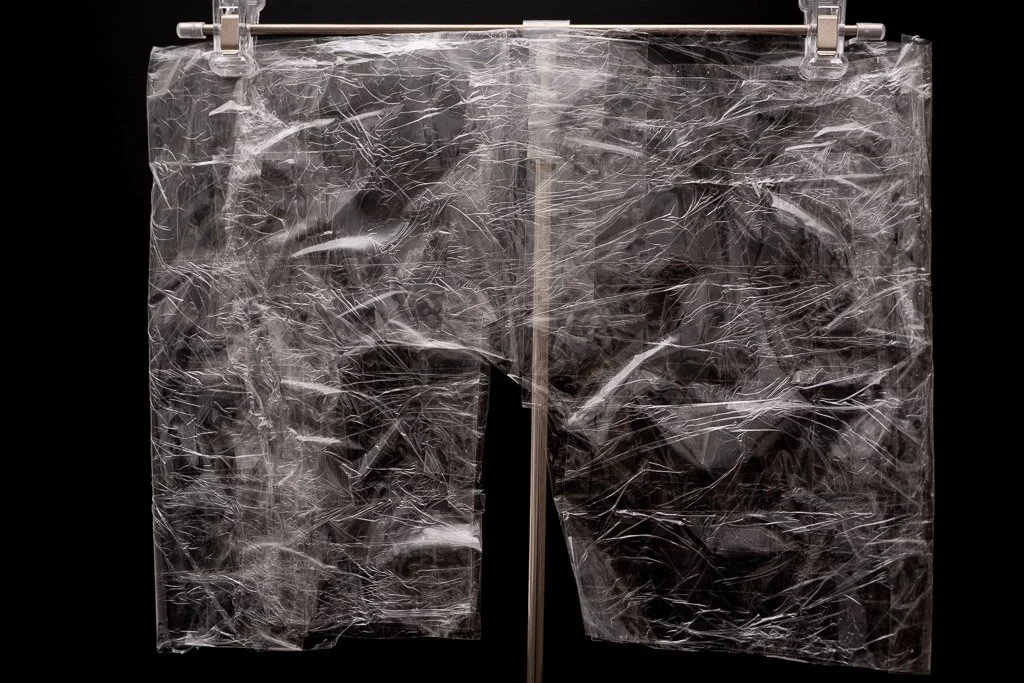
Based on the initial prototypes, we chose to focus on human photosynthesis. We made this choice because it raised more questions and captured the imagination more strongly. It also created more friction, required less explanation, and our fellow students were very enthusiastic about it.
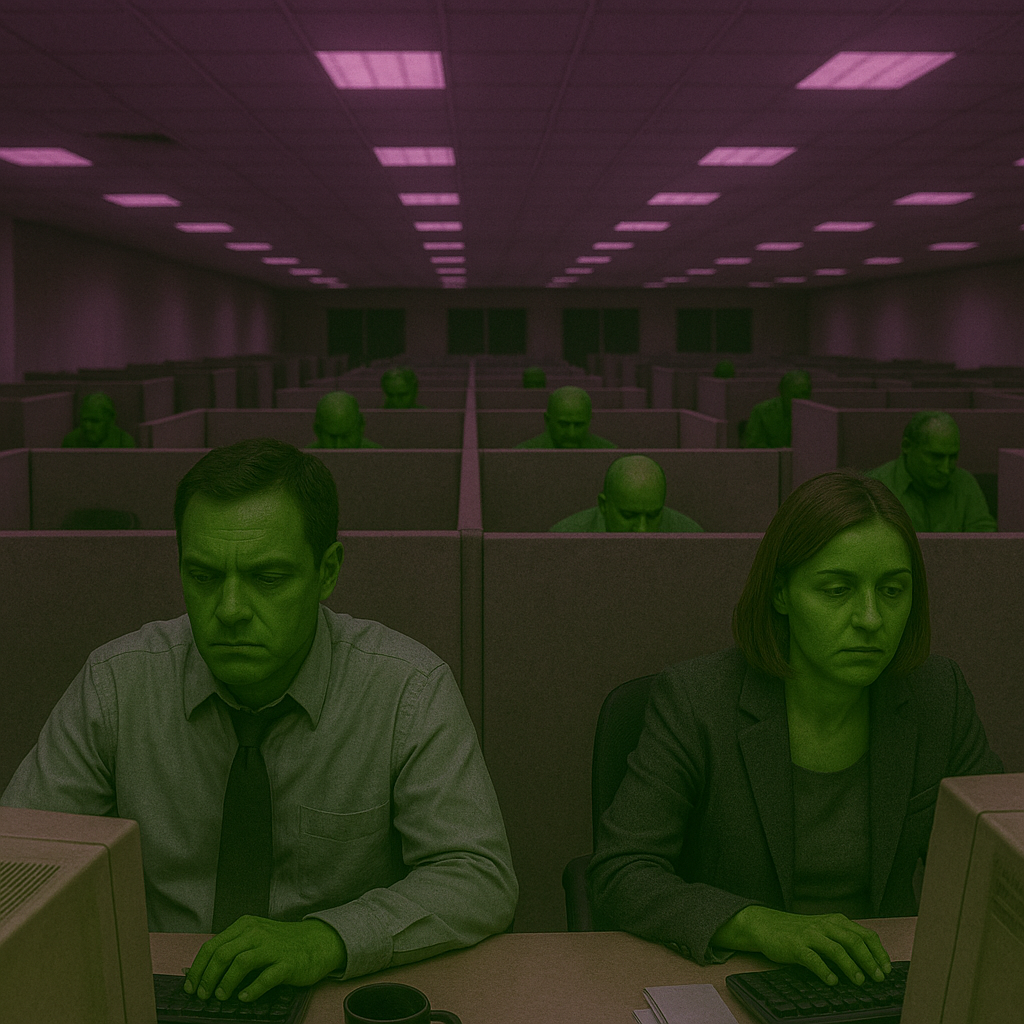
Two situations that made us think the most within this topic were: transparent clothing and endless workdays enabled by grow lights in the office.
We chose transparent clothing because it fits better within the theme of care and health; in our view, nudity is a stronger taboo.
Concept
Design
To determine how the clothing should fit, feel, and look, we researched how to allow as much sunlight through as possible.
Tight clothing blocks less sunlight than loose clothing, which is why we chose a close-fitting silhouette as the foundation. Cotton allows the most UV light to pass through; however, the weave is more important than the material itself. Because cotton offers less variation in weave, we chose a very loosely woven polyester. Finally, color: since lighter colors such as white offer less protection against UV radiation, we opted for pastel purple.
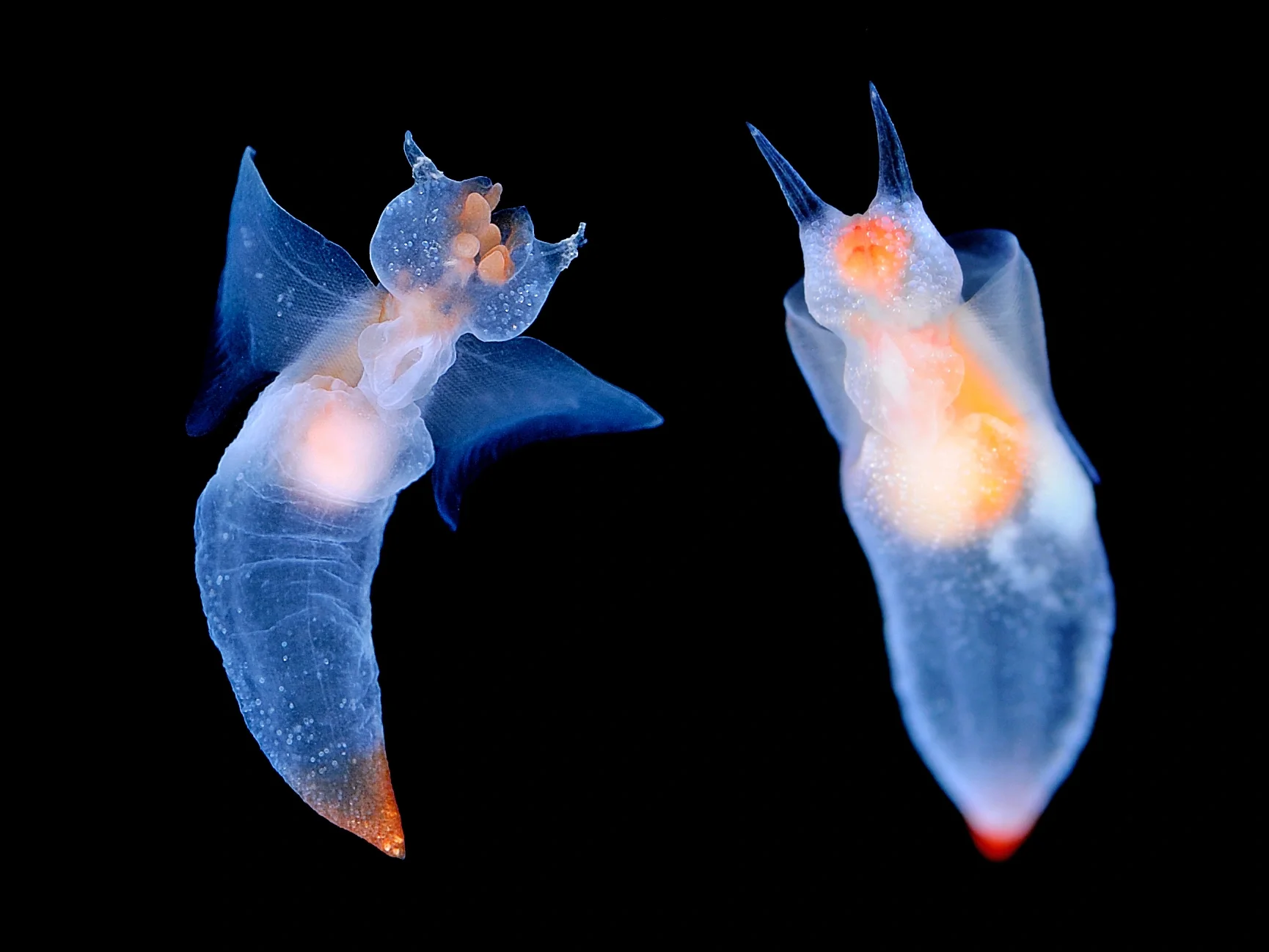
For the appearance, we looked to nature, as it is a major source of inspiration for fashion designers and often leads to major trends. The animal that inspired us most was the sea angel, which appears very graceful and is also transparent.
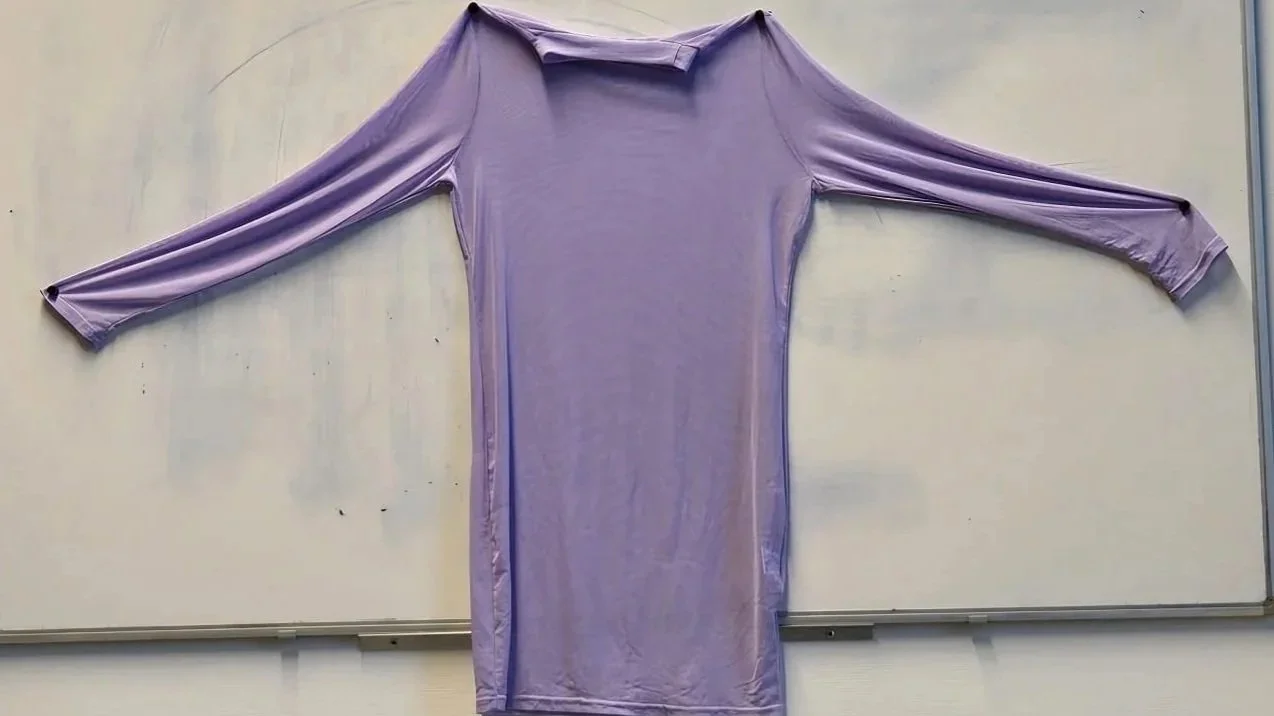
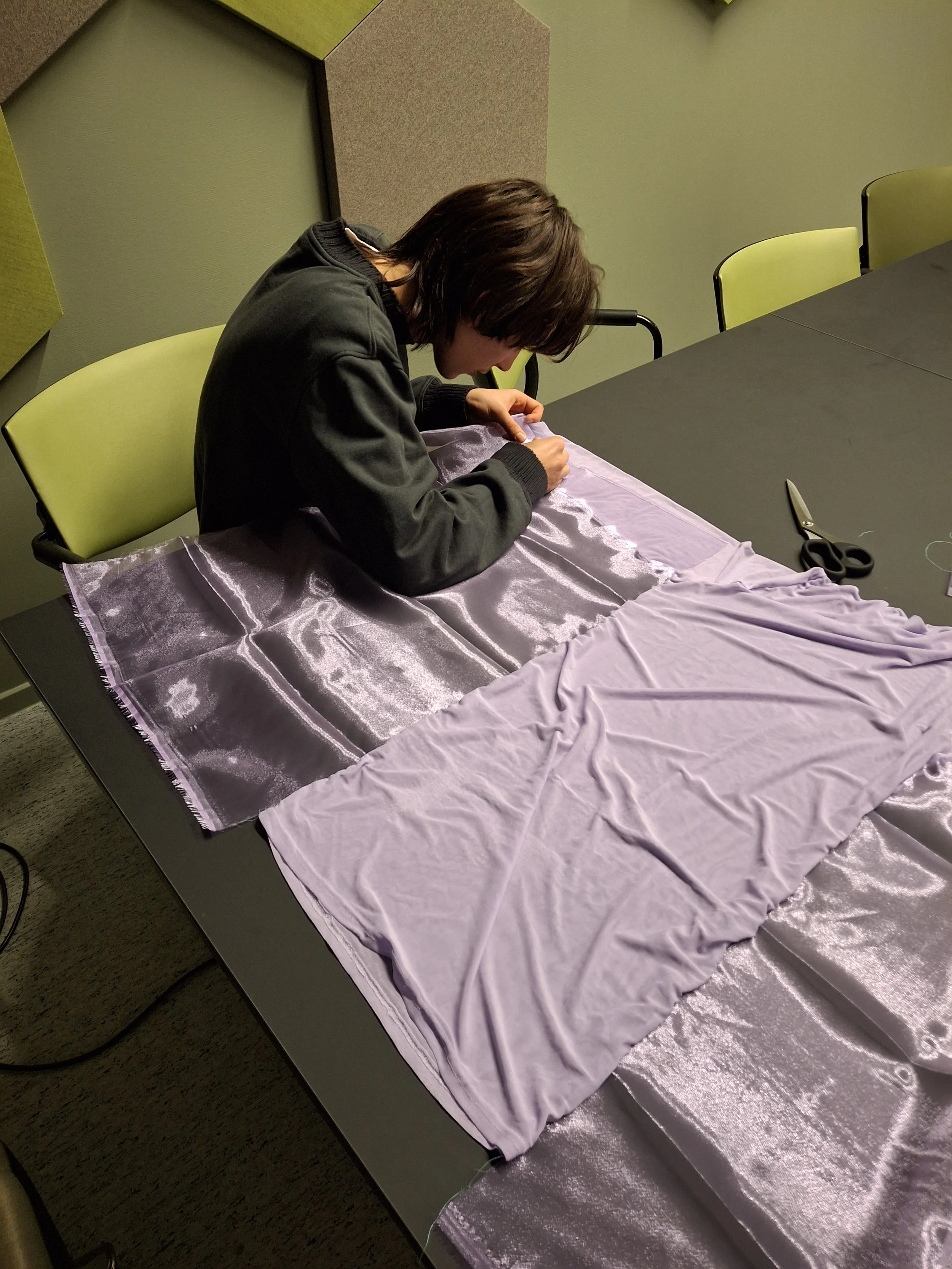
During this module, I paid extra attention to documentation, particularly recording both the process and the final design. We also conducted a lot of visual and material research.
Points for improvement included sharpening the direction of the discussion and better placing the final design photo within its context.